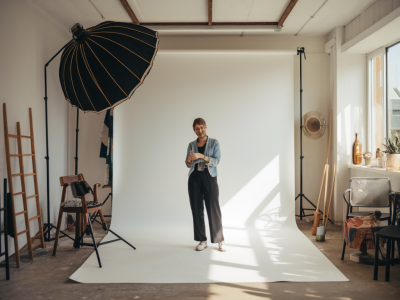
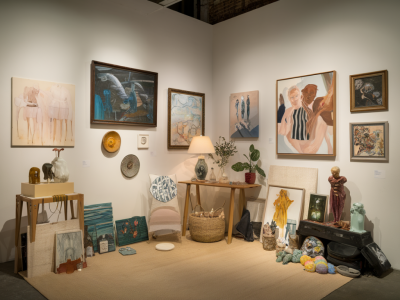
I often think of “mistakes” in the studio as conversations my work invites me to have, rather than problems to be solved. Intentionally introducing slips, glitches and unexpected marks can open narrative possibilities in figurative work—hinting at memory, vulnerability, or the unspoken. Below...
Dec 02, 2025
• by Éloïse Martin
Latest News from Sonriseartists Co
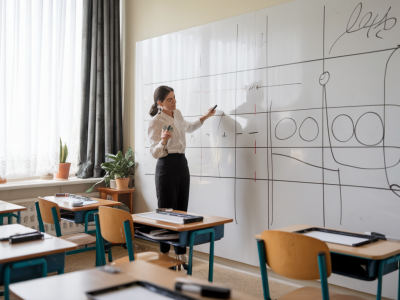
When I teach mark-making to beginners, I aim to create an atmosphere where experimentation feels safe, playful and deliberately low-stakes. Mark-making is about decision-making: line, pressure, speed, tool choice and surface. My goal is to help students move from hesitation to curiosity — to try marks without worrying about 'getting it right'. Below are three classroom exercises that I use...
Read more...
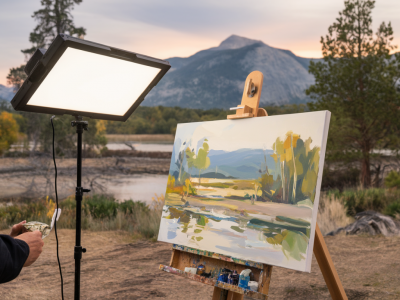
I take my painting outside as often as I can — there’s something about the day's shifting light, wind, and the odd passerby that keeps my practice alive and frank. Over the years I’ve tried a few solutions for portable light when the weather turns grey or when I want to extend a short golden hour: headlamps, clamp lights, even lanterns. Recently I started using small LED panels designed for...
Read more...
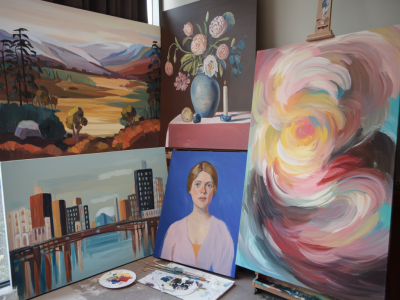
When I stand in front of a primed large canvas for the first time, there’s a small, familiar flinch — part excitement, part dread. Large formats ask for decisions that feel irrevocable: scale, focal point, and how marks will breathe across the surface. Over the years I’ve developed a set of quick compositional studies that act like a warm-up for the brain and body. They help me move past...
Read more...
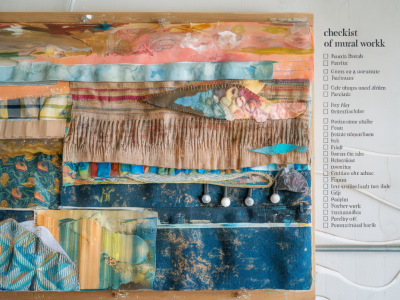
I make a lot of work on board — panels feel reassuringly stable, portable and durable, and they respond beautifully to layers of paint, collage and surface manipulation. When I translate that studio approach into large-scale mixed-media mural work on board, the challenge becomes one of making each element robust: adhesive layers that don’t delaminate, paint that resists cracking, and finishes...
Read more...
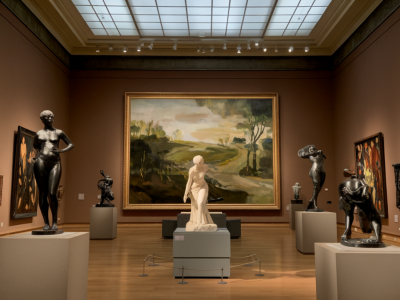
Curator-led open calls can feel intimidating — a tight brief, a jury of professionals, and the sense that you're competing against a large pool of makers. Over years of applying to exhibitions and advising artists for the journal, I've learned that the difference between a shortlist and a polite rejection often comes down to how you present your idea and images, not just the work itself. Below...
Read more...
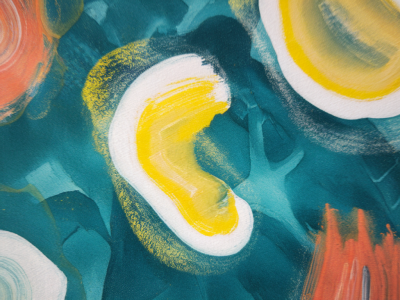
I often find myself drawn to the way a small, unexpected underlayer can transform the finished surface of a painting. Lately I’ve been experimenting with using gouache as an underlay beneath vibrant acrylic highlights — a pairing that feels slightly rebellious because gouache and acrylic sit so differently on the material spectrum. In this piece I’ll take you through why I use gouache...
Read more...
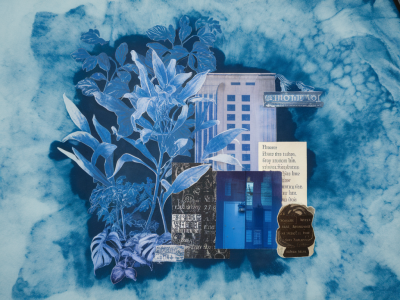
I love experiments that sit between drawing and printmaking — processes that respond to touch, time and chance. Cyanotype is one of those magical techniques: simple to set up, fast to learn, and endlessly generous when combined with collage. Over the last few years I’ve been exploring small, hybrid prints that start with cyanotype exposures and are finished with collage, gouache, ink and...
Read more...
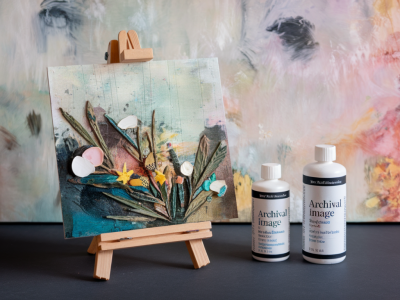
I often get asked whether the finish you choose for a piece — glossy, satin or matte — actually changes the perceived depth and vibrancy of colour, especially in mixed-media work where papers, inks, gouache and acrylic interact in unpredictable ways. To answer that, I ran a simple, practical test with three widely used archival varnishes and documented how each affected colour depth, texture...
Read more...
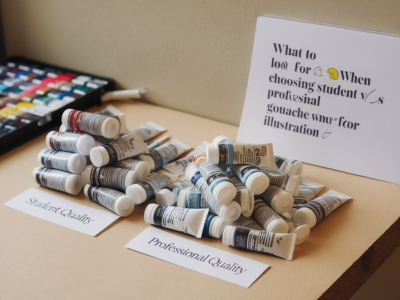
I often get asked whether student or professional gouache is the better choice for illustration work. It’s a practical question with no single correct answer — it depends on your goals, budget and the life you expect your work to lead. Over the years I’ve used both types extensively, teaching students and producing finished pieces for publication, so here I’m sharing what I look for when...
Read more...
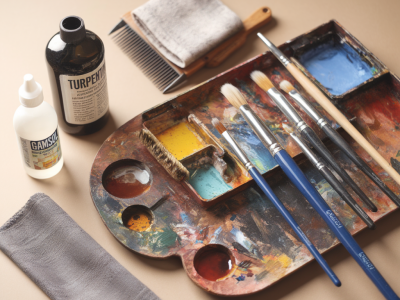
I often get asked how I keep my brushes in good shape while avoiding harsh solvents. Over the years I’ve moved almost entirely to solvent-free methods for everyday cleaning and only use substitutes with caution for deep cleaning. Below I share the practical, hands-on routine I use in the studio — simple, repeatable steps that protect your tools, your health and the longevity of your brushes...
Read more...