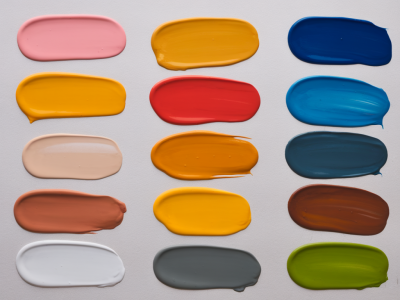
Why I wanted to test gouache with soft-body acrylicsI've long loved the matt, opaque quality of Schmincke Horadam Gouache for figure work and layered illustration. At the same time, Liquitex Soft Body Acrylics are a staple in my studio for their flow and permanence. Recently I found myself...
Read more...
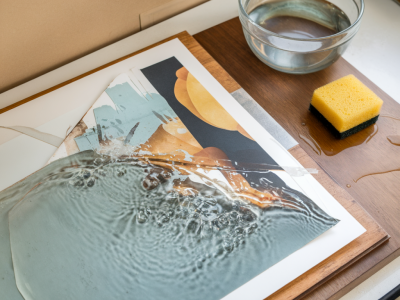
I once rescued a small pile of collage works that had been exposed to a leaking roof after a storm. They were damp, cockled and stained with a faint ring of salty residue where contaminated rainwater had evaporated. I didn’t have access to a conservation lab, but I wanted to stabilise them so I...
Read more...

I keep my brush-cleaning setup intentionally small and solvent-free — partly because my studio is compact, partly because I like rituals that are slow and sensory, and partly because I want to protect my natural-hair brushes from harsh chemicals. Over the years I’ve refined a kit and a routine...
Read more...
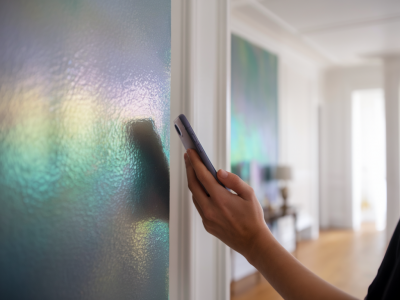
I spent a rainy afternoon last week photographing a new series that uses iridescent powders and interference pigments layered across gouache and collage. The shimmer was beautiful in person, but on my phone screen the highlights turned into blown-out white patches that flattened all the colour...
Read more...
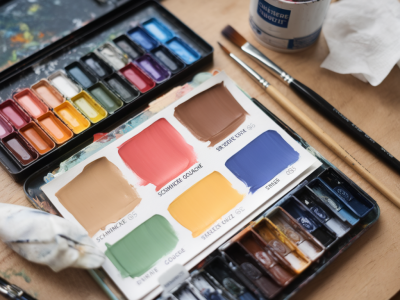
I remember the first time I decided to use gouache as an underpainting in a mixed‑media piece: I wanted the tonal clarity of a waterbased wash but also the ability to repaint and layer without muddying. The result taught me a lot about the differences between student and artist‑grade gouaches...
Read more...
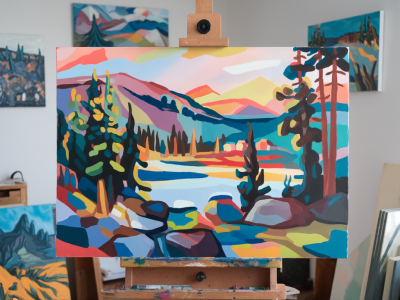
I often use gouache as an underpainting when I want my acrylic highlights to sing: the matte, velvety base of gouache gives a colour depth and immediacy that acrylics alone sometimes lack. Over the years I've developed a repeatable, studio-friendly workflow that works with both high-end paints (I...
Read more...
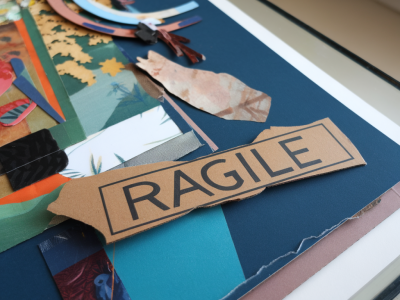
I ship a lot of collage work — small studies, commission pieces and fragile mixed‑media experiments — and over the years I’ve learned the hard way that exposed torn or layered edges are the most vulnerable part of a piece. One knock in transit, a sweaty day in a van, or an overzealous...
Read more...
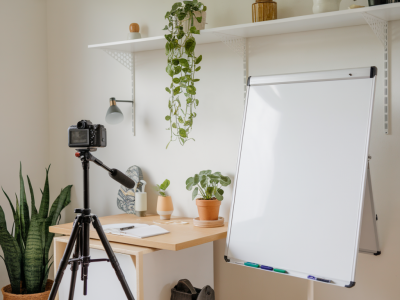
Turning a tiny corner of my studio into a portable live‑teaching setup was one of the best investments I’ve made in my practice. I wanted something compact that I could pack away between classes, quick to set up before a demo, and versatile enough to teach in person or stream online. Over...
Read more...
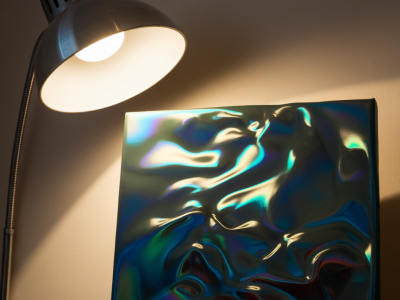
I often get asked how I photograph iridescent and interference paints on canvas with nothing more than my phone and a single household lamp. These paints are playful and fickle: they change colour with viewing angle, light source and even the slightest move of your hand. Over the years I’ve...
Read more...
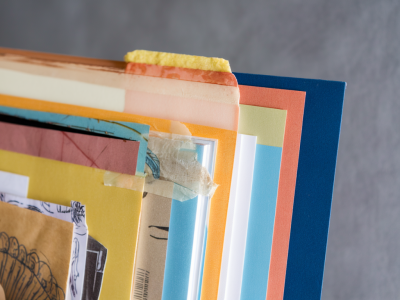
Keeping collage seams intact through framing, handling and shipping is one of those small victories in my studio that makes exhibitions and sales less stressful. Over the years I've repaired my share of popped corners, lifted edges and discoloured tapes — and I've developed a workflow that keeps...
Read more...