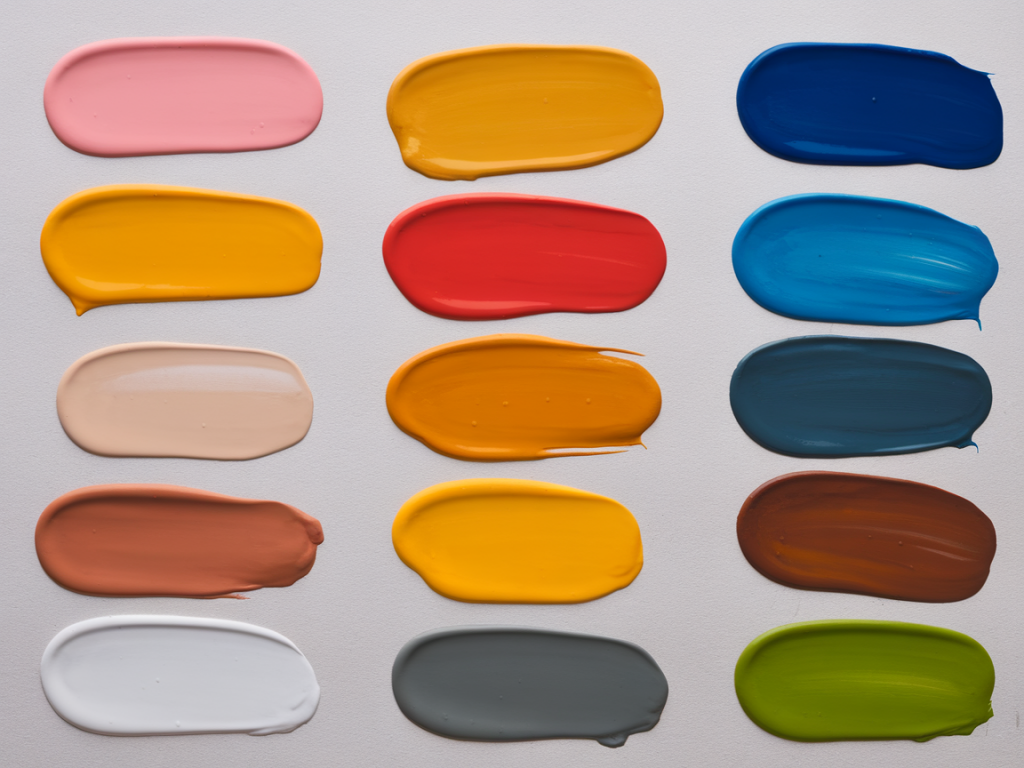
Why I wanted to test gouache with soft-body acrylics
I've long loved the matt, opaque quality of Schmincke Horadam Gouache for figure work and layered illustration. At the same time, Liquitex Soft Body Acrylics are a staple in my studio for their flow and permanence. Recently I found myself wondering: can these two live together in a single wet layer? Could I lay a gouache mark and paint over it with soft-body acrylic, or vice versa, without adhesion failure, cracking or odd drying behaviour?
This wasn't just curiosity — several readers and workshop participants have asked me the same. Some want to preserve gouache's reworkability but add acrylic's flexibility; others want to mix media without committing to separate layers. So I set up a controlled adhesion and drying test to answer the practical questions we all ask when mixing media.
What I tested and why
I kept the experiment deliberately simple and repeatable. Variables I wanted to control:
Surface type — absorbent (hot-pressed watercolour paper 300gsm) vs non-absorbent (gessoed MDF and primed canvas)Order of application — gouache over acrylic, acrylic over gouache, and physical mixing in a paletteDilution / consistency — straight from tube, diluted with water, and with a small amount of Liquitex Flow Aid or matte mediumDrying and adhesion — tackiness, film integrity, flaking after gentle scrapingFinish — sheen differences and how varnishing behaves laterMaterials used:
Schmincke Horadam Gouache (various pigments)Liquitex Soft Body Acrylics (primary colours + Titanium White)Hahnemühle 300gsm HP watercolour paperPrimed cotton canvas and gessoed MDF panelsLiquitex Flow Aid, Liquitex Matte MediumBrushes, palette knives, pipettes, and a hair dryer set to coolMethod — how I set up the test
I painted small panels (10 x 15 cm) on each surface and labelled them. On each panel I applied three test patches:
Gouache over freshly applied acrylicAcrylic over freshly applied gouachePhysically mixed gouache + acrylic in the palette and applied as one paintFor each patch I also varied dilution: straight-from-tube (full body), watered-down (1:1 with water), and with 5–10% Flow Aid or 10% matte medium added to the acrylic. Drying observations were recorded at 10 minutes, 1 hour, 24 hours and 7 days. After 7 days I performed adhesion checks: gentle rubbing with a thumb, a soft rubber eraser, and finally a firm scrape with a palette knife at an angle to see if any layer lifted or cracked.
What I observed — initial drying behaviour
Right away, differences were obvious.
On absorbent paper, gouache dried quickly to a velvety matt surface. When I brushed acrylic over tacky gouache (within 5–10 minutes), the acrylic tended to break up and streak; pigments in the gouache reactivated slightly and mixed unpredictably. After 24 hours the acrylic film often showed uneven gloss where it had encountered still-damp gouache.On primed canvas and gessoed MDF, gouache tended to sit on the surface longer without fully penetrating. Acrylic applied over semi-dry gouache on these supports adhered better than on paper, but where the gouache hadn't fully set the acrylic showed minor cupping — tiny raised edges — until fully cured.Mixing gouache and soft-body acrylic directly in the palette yielded a workable hybrid for immediate application. However, the mixed paint lost the matte velvet of pure gouache and took on an ever-so-slight sheen from the acrylic binder. The drying film was flexible and less prone to flaking, especially when a small amount of matte medium was incorporated.
Adhesion & film integrity after curing
After 7 days the full picture became clear.
Acrylic over fully-dry gouache: When the gouache had been allowed to dry completely (24+ hours on absorbent paper; 12+ hours on primed surfaces with gentle airflow), Liquitex Soft Body adhered well with no flaking. The bond felt mechanical — the acrylic formed its own film sitting on top of the gouache layer. I did notice micro-crazing (very fine hairline cracks) in a couple of tests where thick acrylic layers were applied over thin gouache that had slightly reactivated — usually on paper.Gouache over acrylic: Applying gouache directly over a fully cured acrylic film went smoothly. The gouache sat on the acrylic surface but did not permanently rewet or lift it. The caveat: because acrylic films are less absorbent, gouache marks on acrylic often looked flatter and could be scuffed off more easily until burnished or sealed.Physical mixes: The hybrid mixes created a stable, flexible film with good adhesion to all supports. The paints retained some of gouache's opacity while gaining the durability of acrylic. Colour shifts were minimal though slightly less matte than pure gouache.Specific problems and how to avoid them
Issues I encountered and practical fixes:
Reactivation and streaking: This happened when acrylic hit tacky gouache. Fix: wait until gouache is fully dry before applying acrylic, or speed drying with cool airflow. On absorbent paper, give gouache 24 hours.Scuffing of gouache applied onto acrylic: Gouache can be fragile on non-absorbent primed surfaces. Fix: use a light spray of workable fixative once gouache is dry, or apply a thin isolation layer — a clear matte acrylic medium — before further handling.Uneven sheen: Acrylic introduces gloss. Fix: add a matte medium to the acrylic layer, or use a final matte varnish to even out finish if desired.Film cracking in thick layers: Thick acrylic over thin gouache may develop micro-crazing. Fix: apply thinner layers, allow full curing time, or use a medium to improve flexibility (Liquitex's matte medium helps).Practical recipes I tried and recommend
Here are simple blends and handling notes that worked well for me:
Hybrid wash (for illustrations): Mix 1 part Schmincke gouache with 1 part Liquitex Soft Body + 5% Flow Aid. Works as a semi-matte wash with improved adhesion and less reactivation.Opaque matte layer: Use acrylic + 10% Liquitex Matte Medium, paint, let cure, then apply gouache if you want the gouache to sit visibly on top. Seal gouache with a light workable fixative if further layers or handling are planned.Durable mixed paint: In palette, combine up to 30% soft-body acrylic into gouache to increase flexibility without losing much of the gouache look.Summary table of results
| Combination | Best surface | Adhesion | Notes |
|---|
| Acrylic over dry gouache | Primed canvas, gessoed MDF | Good | Allow gouache full dry time; possible micro-crazing if acrylic layer very thick |
| Acrylic over tacky gouache | None recommended | Poor | Reactivation, streaking, uneven gloss |
| Gouache over acrylic | Primed surfaces, paper (if fixed) | Moderate | Gouache more scuff-prone; consider isolation coat or fixative |
| Physical mix in palette | All tested | Very good | Balances gouache opacity with acrylic durability; slight loss of full matte |
Final practical tips from the studio
If you're going to experiment in your own work:
Always label tests with time, dilution and surface — you’ll forget the exact recipe otherwise.When in doubt, wait. Dry time is your friend: full curing avoids many of the nasty interactions.Use small isolation coats (clear matte acrylic medium) to protect fragile gouache marks if you intend to continue working over them or handle the piece a lot.If you want to keep the velvet-matte look of gouache, keep acrylic content low or seal with a matte varnish after full curing.Mixing Schmincke gouache and Liquitex Soft Body acrylics is possible and often rewarding, but it requires attention to order, dryness and the support you’re using. The safest single-layer approach I found was to pre-mix them in the palette for immediate application, or to ensure each layer is fully dry before adding the next. I hope these notes help you try your own combinations — I always learn new quirks from readers' variations, so if you run tests, tell me what you found.