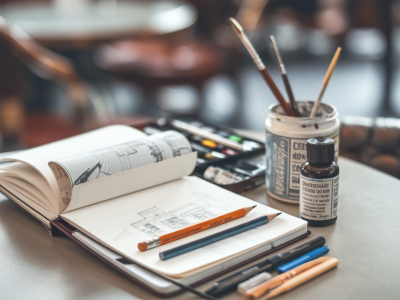
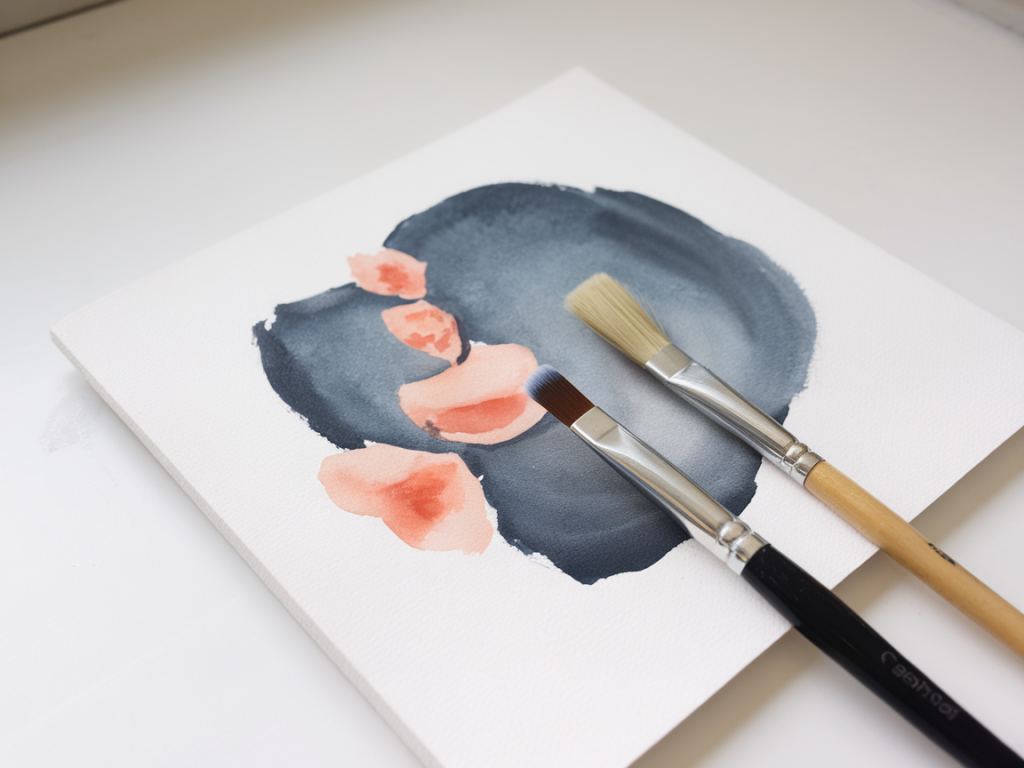
I’ve been asked more times than I can count: “Can I swap synthetic brushes for natural-hair when working in gouache?” It’s a great question, especially as gouache sits somewhere between transparent watercolor and opaque acrylic in its behaviour. I decided to run a practical test in my...
Jan 28, 2026
• by Éloïse Martin
Latest News from Sonriseartists Co
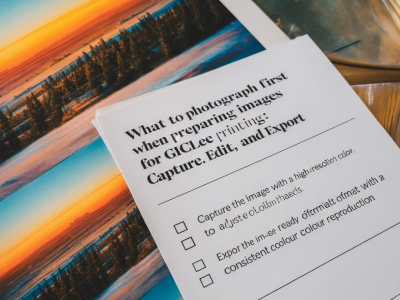
When I prepare images of my paintings and mixed-media pieces for giclée printing, I try to think like both the maker and the reproducer. I want the texture, colour relationships and subtle marks to survive the translation from studio surface to archival print. Over the years I’ve developed a practical checklist that starts in the studio and ends with an exported file that a print lab can...
Read more...
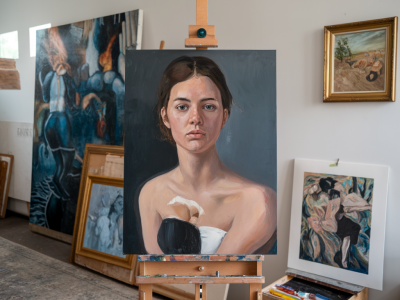
I often think of “mistakes” in the studio as conversations my work invites me to have, rather than problems to be solved. Intentionally introducing slips, glitches and unexpected marks can open narrative possibilities in figurative work—hinting at memory, vulnerability, or the unspoken. Below I share practical techniques I use in painting and mixed media to weave purposeful imperfections...
Read more...
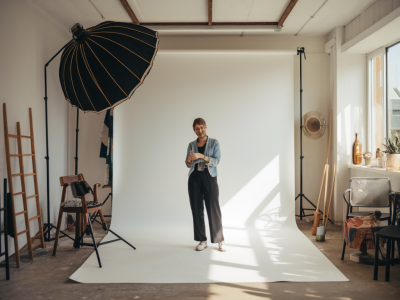
Stepping into a small studio means learning to be resourceful. My current workspace is compact, north-facing and blessed with a large sash window that floods the room with soft, indirect light for most of the day. I’ve built my working routine around that light and the constraints of limited space — it’s shaped everything from my daily schedule to what I keep on the workbench. Over years of...
Read more...
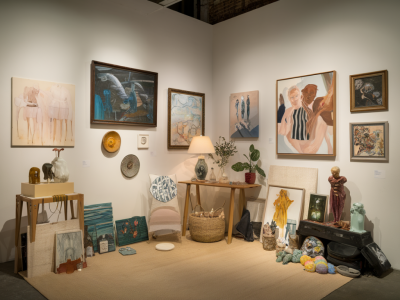
I’m often asked how to pull together a solo show when time is short and the budget is even shorter. Over the years I’ve learned that a focused concept, a tight timeline and a few practical shortcuts will get you from first idea to hanging flush on the wall — without losing the integrity of the work. Below I share a step-by-step approach I use when planning solo exhibitions on a shoestring:...
Read more...
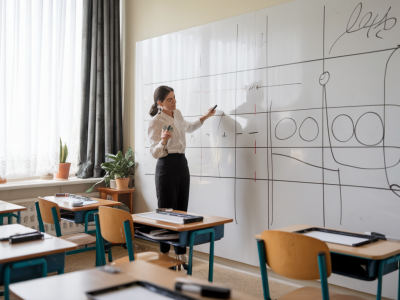
When I teach mark-making to beginners, I aim to create an atmosphere where experimentation feels safe, playful and deliberately low-stakes. Mark-making is about decision-making: line, pressure, speed, tool choice and surface. My goal is to help students move from hesitation to curiosity — to try marks without worrying about 'getting it right'. Below are three classroom exercises that I use...
Read more...
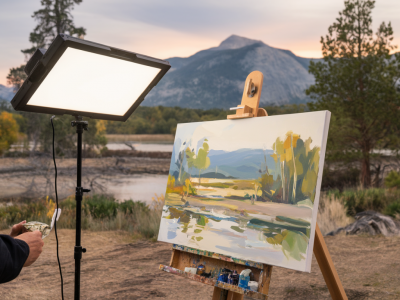
I take my painting outside as often as I can — there’s something about the day's shifting light, wind, and the odd passerby that keeps my practice alive and frank. Over the years I’ve tried a few solutions for portable light when the weather turns grey or when I want to extend a short golden hour: headlamps, clamp lights, even lanterns. Recently I started using small LED panels designed for...
Read more...
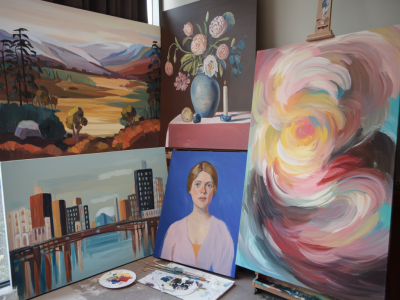
When I stand in front of a primed large canvas for the first time, there’s a small, familiar flinch — part excitement, part dread. Large formats ask for decisions that feel irrevocable: scale, focal point, and how marks will breathe across the surface. Over the years I’ve developed a set of quick compositional studies that act like a warm-up for the brain and body. They help me move past...
Read more...
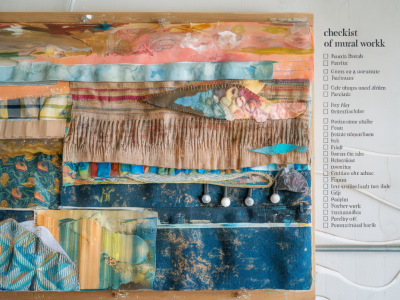
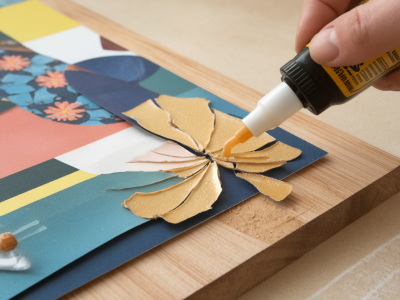
I make a lot of work on board — panels feel reassuringly stable, portable and durable, and they respond beautifully to layers of paint, collage and surface manipulation. When I translate that studio approach into large-scale mixed-media mural work on board, the challenge becomes one of making each element robust: adhesive layers that don’t delaminate, paint that resists cracking, and finishes...
Read more...
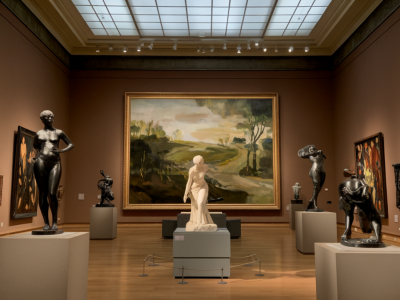
Curator-led open calls can feel intimidating — a tight brief, a jury of professionals, and the sense that you're competing against a large pool of makers. Over years of applying to exhibitions and advising artists for the journal, I've learned that the difference between a shortlist and a polite rejection often comes down to how you present your idea and images, not just the work itself. Below...
Read more...
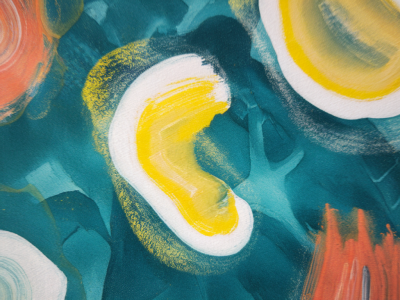
I often find myself drawn to the way a small, unexpected underlayer can transform the finished surface of a painting. Lately I’ve been experimenting with using gouache as an underlay beneath vibrant acrylic highlights — a pairing that feels slightly rebellious because gouache and acrylic sit so differently on the material spectrum. In this piece I’ll take you through why I use gouache...
Read more...